

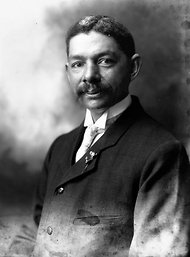
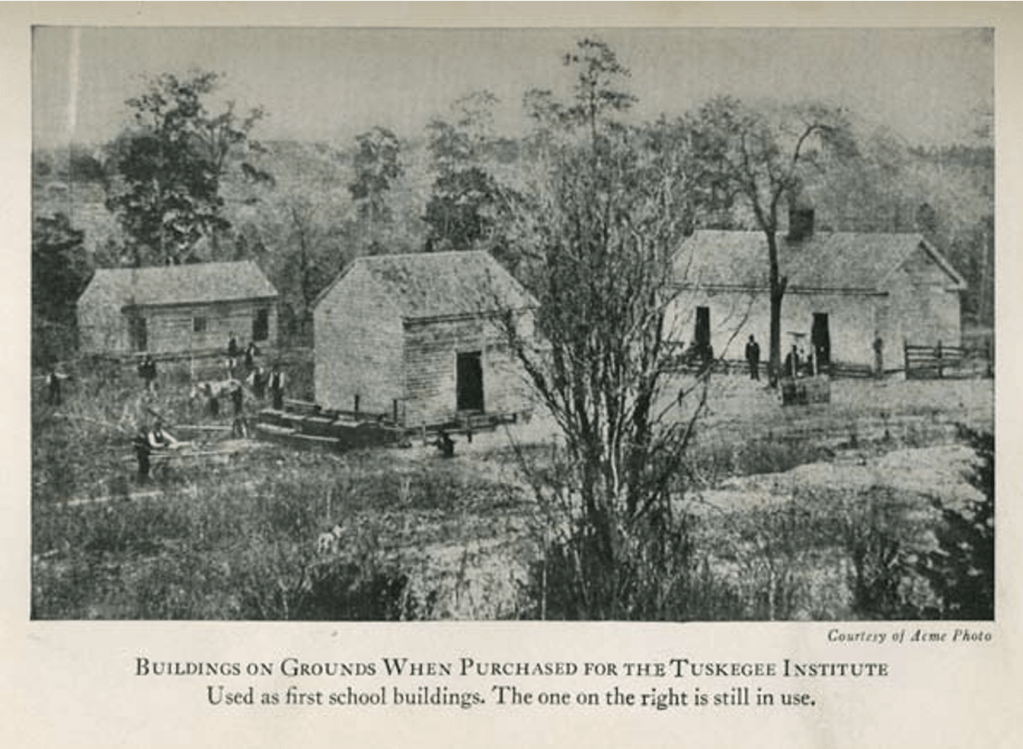
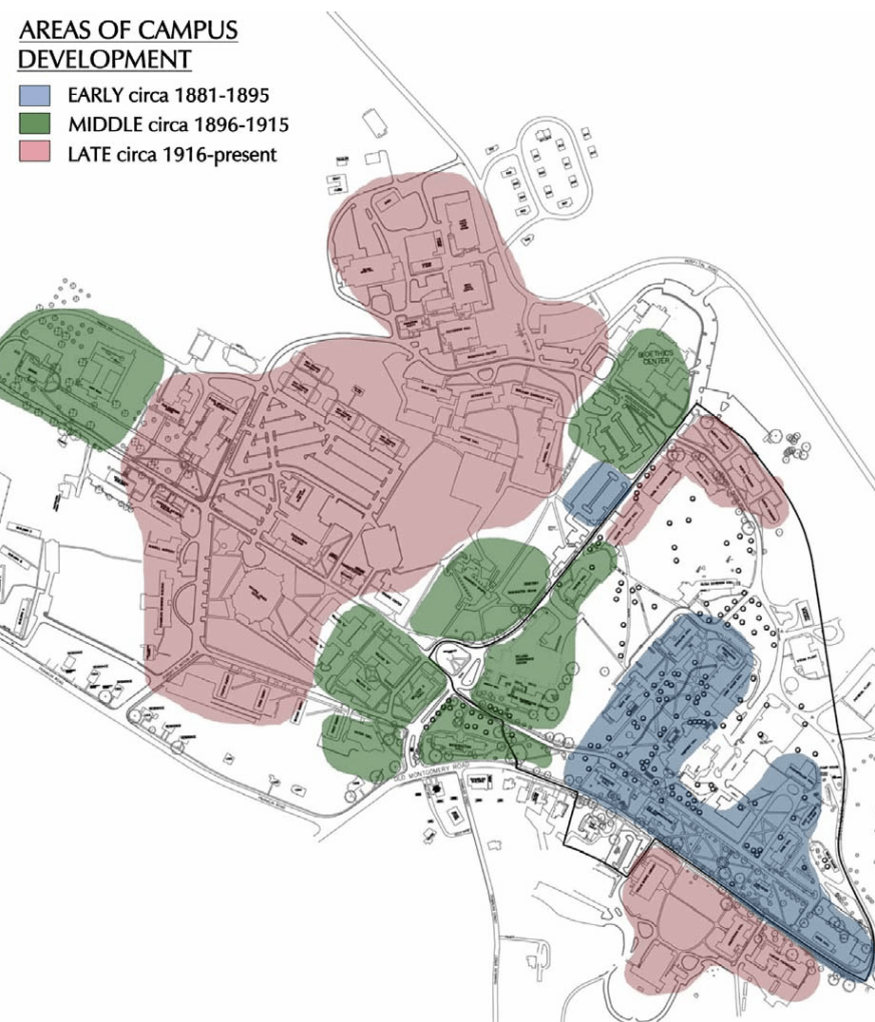
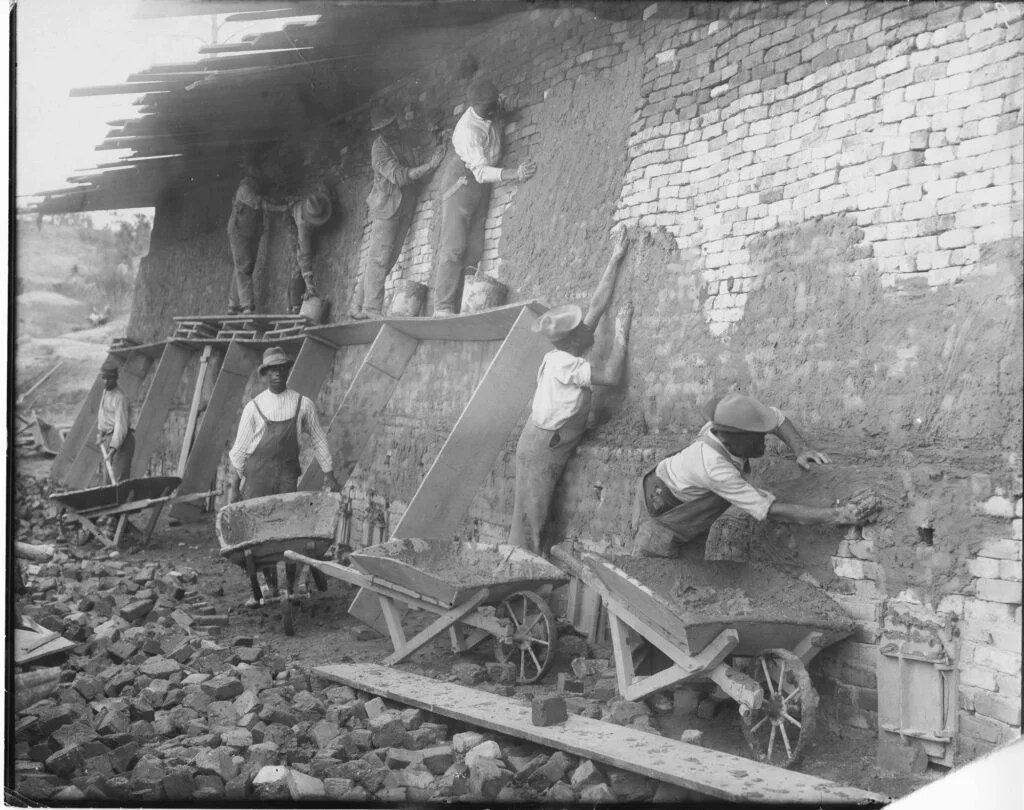
Tuskegee University is a campus with a deeply rooted history in architecture. The Taylor School of Architecture and Construction Science (TSACS) was named after Robert Robinson Taylor, the first accredited African American architect, and the first Black man to receive an architecture degree from the Massachusetts Institute of Technology (MIT). Robert R. Taylor is credited with developing Tuskegee’s architecture program, and he designed many of the buildings on campus prior to 1932. Today, TSACS prepares the young leaders of the world to shape the future of design and the built environment. The mission of the Taylor School of Architecture and Construction Science is rooted in Booker T. Washington’s philosophy of “learn by doing” and Robert R. Taylor’s “design-build”.
Robert Robinson Taylor did not accomplish this feat alone; for he had numerous peers and alum by his side. Some of the other pioneering architects of Tuskegee University include Wallace A. Rayfield, Walter T. Bailey, John A. Lankford, and many more. A significant principle of architecture is to work with the people around you. Whether it be peer review or team projects, everything is easier with the help of like-minded individuals.
Motivation
On Tuskegee’s campus, historical landmarks are abundant. One of the notables is the Legacy Museum located in John A. Kenney Hall, the former infantile paralysis unit of the historic John A. Andrew Hospital. The Legacy Museum offers students, tourists, and curious souls the opportunity to view visual arts collections and the history of Tuskegee through sciences. Through rotating art exhibitions, there is a diverse display of knowledge for every demographic. Several first-year architecture students at Tuskegee University were given the opportunity to design “Robert R. Taylor & Tuskegee’s Architectural Legacy.” This exhibit was also made possible by a grant from the Graham Foundation for Advanced Studies in the Fine Arts.
Mission
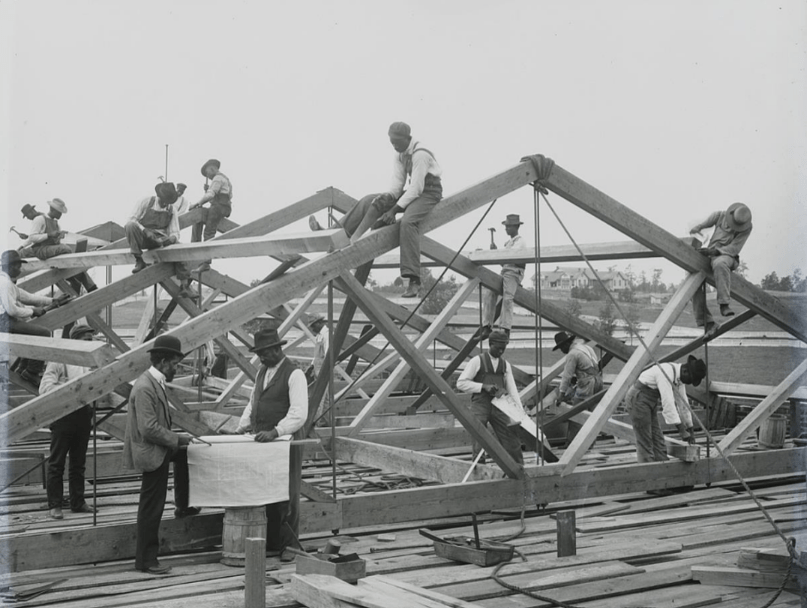
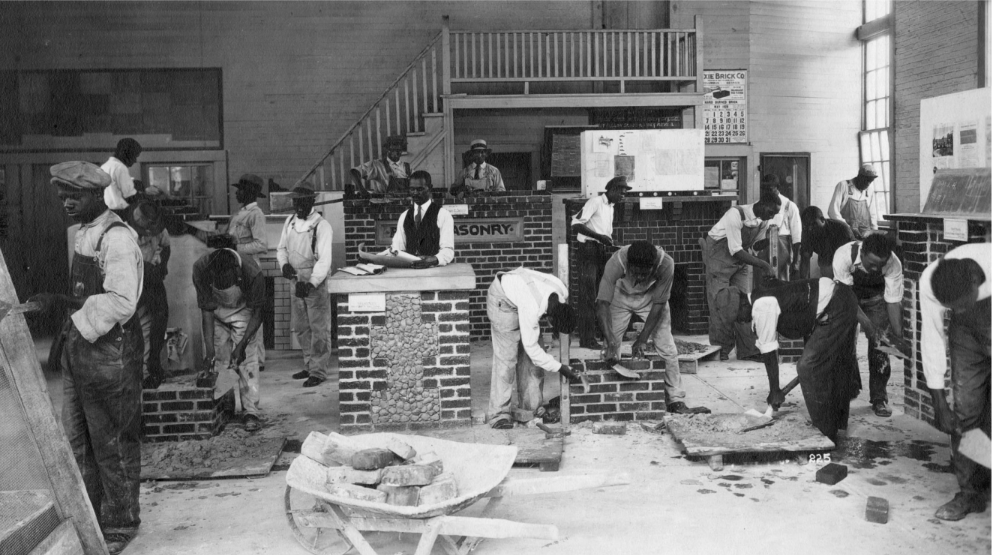
The overall goal of this interactive exhibit in the Legacy Museum is to tell a story of how Robert R. Taylor created and affected various communities throughout his life. Taylor was instrumental in the creation of several schools in rural and developing towns. These schools provided the communities they served with purpose and later helped them to achieve their own economic security. Taylor passed down his architectural philosophy to many alumni and associated architects including Wallace A. Rayfield, William S. Pittman, and Walter T. Bailey. This resulted in the creation of rural schools all over the world with connections to Tuskegee. Such buildings included the Fargo Agricultural School in Arkansas, the Tuskegee-Rosenwald schoolhouses, and the Booker Washington Institute in Kakata, Liberia. These schools were modeled after Tuskegee Institute and were created to provide Black students with elementary and secondary vocational education. Unfortunately, Tuskegee’s role in the creation of these schools has become diminished or become completely ignored over time. The purpose of our exhibition is to create awareness of the impact that Robert R. Taylor and Tuskegee had on several communities, as well as the fundamental role of community partnership in Tuskegee’s educational model.

